
acupuncture, chinese medicine, Five Elements, TCM Foods

Balancing the Body and Mind: Exploring the Metal Element in Chinese Medicine

In the world of traditional Chinese medicine (TCM), the Metal element is one of the five fundamental elements, each associated with specific organs, energies, emotions, and seasons. Understanding the Metal element and its role in TCM can provide valuable insights into our health, well-being, and the balance of our body and mind. In this blog post, we’ll explore the Metal element and its significance in Chinese medicine.

The Metal Element in Chinese Medicine:

1. Corresponding Organs: The Metal element is associated with two primary organ systems: the Lung (Fei) and the Large Intestine (Da Chang). These organs play a vital role in the body’s respiratory and digestive systems, respectively.

2. Seasonal Connection: The Metal element aligns with the autumn season. Just as trees shed their leaves during this time, the Metal element encourages us to let go of what no longer serves us, both physically and emotionally. It is a season of reflection, organization, and release.

3. Emotional Expression: Emotionally, the Metal element is linked to feelings of grief and sadness. These emotions are considered natural responses to loss or separation, and the Metal element helps us process and release these feelings.

4. Characteristics of the Metal Element: The Metal element is characterized by qualities such as precision, structure, clarity, and purity. It is associated with the color white and the pungent taste.

Balancing the Metal Element:

1. Nourishing Foods: Foods that support the Metal element include pungent flavors (spicy, aromatic), white-colored foods, and foods with a crisp texture. Incorporate ingredients like garlic, ginger, onions, cauliflower, and daikon radish into your diet to strengthen the Lung and Large Intestine meridians.

2. Breathing Exercises: The Lung meridian is closely linked to the breath. Practicing deep, mindful breathing exercises can help improve lung function, enhance oxygen intake, and clear stagnation in the respiratory system.

3. Letting Go: Embracing the principles of autumn, the Metal element encourages us to let go of emotional burdens and attachments. Journaling, meditation, and therapeutic practices can be helpful for releasing emotional baggage.

4. Acupuncture and Chinese Herbal Medicine: Seeking acupuncture treatments and herbal remedies can be particularly beneficial for balancing the Metal element. Acupuncture can help regulate the flow of Qi (energy) in the Lung and Large Intestine meridians, addressing specific concerns related to these organs.

Conclusion: The Metal element in Chinese medicine offers a profound perspective on our physical and emotional well-being. By understanding its associations with the Lung and Large Intestine, its connection to the autumn season, and its influence on emotions, we can take proactive steps to achieve balance and harmony in our lives. Whether through mindful breathing, nourishing foods, or seeking acupuncture and herbal remedies, embracing the wisdom of the Metal element can guide us on a path to greater health and emotional resilience. As autumn approaches, let us draw inspiration from nature’s cycles and release what no longer serves us, just as the trees shed their leaves in preparation for renewal.
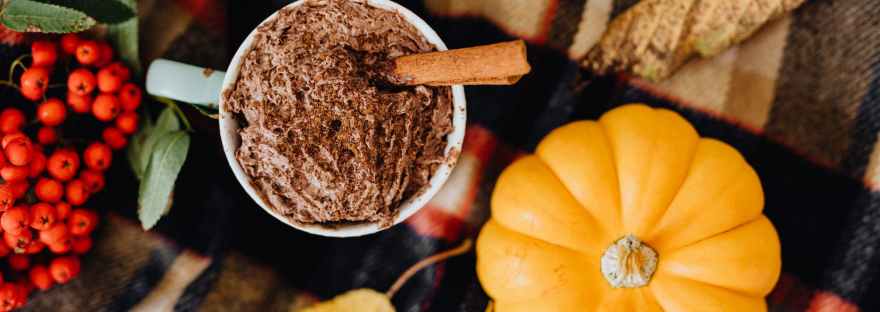
Five Elements

Harmonizing with Autumn: A Journey Through Chinese Medicine and the Changing Seasons

As we bid farewell to the warmth of summer and prepare for the crisp embrace of autumn, it’s a perfect time to explore the wisdom of Chinese medicine and how it teaches us to align our health with the changing seasons. In this blog post, we’ll delve into the principles of Chinese medicine and discover how to navigate the fall season with balance and vitality.

Understanding Chinese Medicine and Seasonal Changes: Chinese medicine views health as a state of harmony between the body, mind, and the external environment. The changing seasons play a pivotal role in this delicate balance. Each season is associated with specific elements, energies, and organ systems, and autumn is no exception.

Autumn in Chinese Medicine: In Chinese medicine, autumn corresponds to the Metal element, which includes the Lung and Large Intestine organ systems. Just as the leaves fall from the trees, this season encourages us to let go of what no longer serves us, both physically and emotionally. It’s a time for reflection, organization, and embracing change.

Embracing the Wisdom of Fall in Chinese Medicine:

  1. Balancing the Metal Element: To align with the energy of the Metal element, consider incorporating pungent and spicy foods into your diet, such as ginger, garlic, and onions. These flavors can help clear the respiratory system and support the Lung and Large Intestine meridians.
  2. Stay Hydrated: As the weather cools down, it’s essential to stay well-hydrated. In Chinese medicine, moistening foods like pears, apples, and miso soup can help support the body’s moisture balance.
  3. Mindful Breathing: Since the Lung meridian is closely tied to the breath, autumn is an excellent time to practice deep, mindful breathing exercises. This can help clear stagnation, boost energy, and promote mental clarity.
  4. Letting Go: Just as the trees release their leaves, we can use this season as an opportunity to let go of emotional burdens and unnecessary clutter in our lives. Consider journaling, meditation, or talking with a therapist to facilitate this process.
  5. Acupuncture and Chinese Herbal Medicine: Seeking acupuncture treatments and herbal remedies can be particularly beneficial during the fall season. Acupuncture helps balance the body’s energies and can address specific concerns related to the Metal element, such as respiratory issues or digestive problems.

Fall Rituals in Chinese Medicine:

  1. Autumn Nature Walks: Take leisurely walks in nature to appreciate the changing colors of the leaves and connect with the energy of the season.
  2. Tea Time: Enjoy warm herbal teas, such as chrysanthemum or ginger tea, to support your body’s balance and warmth.
  3. Meditative Practices: Engage in mindfulness meditation or yoga to help you stay centered and connected with the evolving energies of autumn.

Conclusion: As we transition into the autumn season, let us remember the profound wisdom of Chinese medicine. By aligning with the Metal element and embracing the changes that fall brings, we can cultivate balance, health, and vitality in our lives. So, take a deep breath, savor the flavors of the season, and let go of what no longer serves you. Welcome autumn with open arms, and may it bring you the gift of harmony and transformation.

Uncategorized

Unlocking the Healing Power of Acupuncture: A Comprehensive Guide

Acupuncture is an ancient healing art that has been practiced for thousands of years, but its benefits continue to captivate the modern world. This holistic therapy, rooted in traditional Chinese medicine, involves the insertion of thin needles into specific points on the body to promote balance and restore health. In this comprehensive guide, I will explore the fascinating world of acupuncture, its history, techniques, and the many ways it can enhance your well-being.

The History of Acupuncture: Acupuncture’s origins can be traced back to ancient China, where it was first documented in texts dating back over 2,500 years. The foundational belief behind acupuncture is the concept of Qi (pronounced “chee”), the vital energy that flows through the body. Acupuncture aims to regulate the flow of Qi and promote harmony between the body’s physical and energetic systems.

How Acupuncture Works: Acupuncture involves the insertion of hair-thin needles into specific points on the body known as acupuncture points or meridians. These points are carefully chosen based on the patient’s condition and the desired therapeutic effect. When the needles are inserted, they stimulate the body’s natural healing processes, including the release of endorphins and the regulation of neurotransmitters.

Conditions Treated with Acupuncture: One of the most remarkable aspects of acupuncture is its versatility. It can be used to address a wide range of physical, emotional, and mental health concerns. Some common conditions treated with acupuncture include:

  • Pain management, including chronic pain, migraines, and arthritis.
  • Stress and anxiety reduction.
  • Fertility and reproductive health.
  • Digestive issues like irritable bowel syndrome (IBS).
  • Allergies and respiratory conditions.
  • Insomnia and sleep disorders.
  • Support for cancer patients undergoing chemotherapy.
  • Skin conditions like acne and eczema.

The Acupuncture Experience: Many people are initially hesitant about trying acupuncture due to fear of needles. However, acupuncture needles are incredibly thin and typically cause little to no discomfort. During an acupuncture session, patients often experience deep relaxation, and some even fall asleep. The number of sessions required varies depending on the condition being treated, but many people notice improvements after just a few sessions.

Choosing an Acupuncturist: Selecting a qualified and experienced acupuncturist is crucial for a safe and effective treatment. Look for practitioners who are registered acupuncturist’s, have relevant certifications, and have a good reputation in your community. Personal recommendations and online reviews can be valuable resources.

Conclusion: Acupuncture is a time-tested healing modality that continues to gain recognition and popularity in the modern world. Its ability to address a wide range of health issues, coupled with its minimal side effects, makes it a compelling option for those seeking natural and holistic approaches to wellness. Whether you’re looking to alleviate pain, reduce stress, or enhance your overall health, acupuncture may hold the key to unlocking your body’s innate healing potential. If you’ve been curious about acupuncture, now is the perfect time to explore its benefits and experience the profound effects of this ancient art.