acupuncture, pain management, Self-care, Sports medicine, Womens health

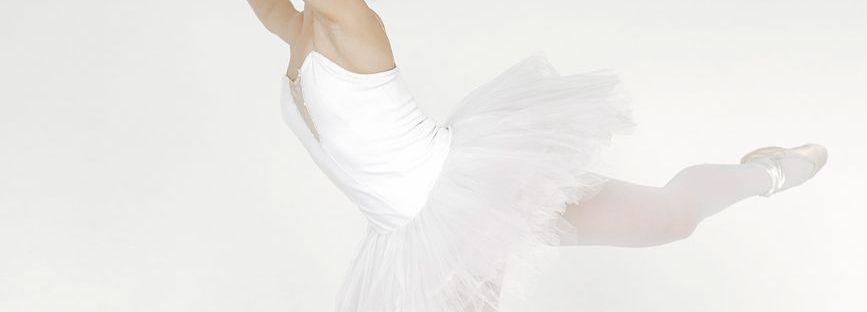
You give so much to your dancing. Make time for you to.

Your body deserves the attention you are giving to your dance. Pushing beyond comfort and your bodies boundaries does catch up over time. I myself have used acupuncture and other resources to help treat sports related injuries, and am proactive with my children’s care to make sure that their bodies are healthy and in tune to be able to reach their sports related goals.

I offer personalized care for:

  • Muscles strains and tears due to dance related injuries
  • Stress management from the pressure of performance.
  • Period related discomfort
  • Menstrual health such as pain, cramps, PMS, and blood flow.
  • Perimenopause and menopause concerns.
  • Body image dysmorphia
  • Eating disorders

A little nervous about needles? That’s completely understandable. The needles used in my treatments are very fine, one time use, sterile needles. I work with a lot of children, and find teenage girls require more convincing and time. That’s ok! I am so excited about children, teens and young adults learning ways to take care of their bodies and health, that I enjoy taking the time to build rapport and talking to them about their worries before we begin. I always encourage my patients to talk to me during their sessions to let me know if they have any questions or concerns. I am trained in Japanese style needling, which is just as effective, but a more gentle approach. The needles I use, 18-20 can fit inside one intradermal needle that draws blood or does vaccines. They are very tiny, almost the width of one hair on your head.

Whether your a young dancer, a busy mom, or navigating changes of your own, you deserve to be heard and supported. You can book your treatment HERE. Your initial consult includes your diagnosis, treatment plan, and acupuncture treatment.

acupuncture, chinese medicine, Self-care

COLD AND FLU SEASON GOT YOU TO?

It’s that time of year. Back to school, daycares, hockey tournaments and spooky Halloween parties- all social gatherings that bring joy to our hearts, and germs to our home.

How Acupuncture and traditional Chinese medicine can help:

  • Help build stronger Wei Qi (in TCM this is related to your immune system).
  • Help relieve common systems such as runny nose, nasal congestion, cough, sore throats, fevers, body aches, chills and stomach upset.
  • Help with sleep so your body can rest and heal.
  • Headache and migraine relief.

My kids know when they start sneezing, sniffling or have a sore throat, to ask me for their herbs. What they mean is a common TCM tincture I sell to my patients at my clinic called Yin Qiao San. Combined with a nasal spray or neti pot, I find this very effective for my family and patients, to help reduce common cold symptoms and make you feel better sooner.

Does acupuncture hurt? I am trained in Japanese style needling, meaning its just as effective as traditional Chinese style, but much more gentle. I use very fine, sterile, single use needles. Patients often tell me it feels like a heavy pressure, if they feel anything at all. I am always open to questions, and love to discuss what I am doing and why I am choosing the points I am using as I treat my patients.

Book here for your initial consult which includes your individualized and tailored diagnosis, treatment plan, and treatment.

acupuncture, pain management, Sports medicine, springbank wellness clinic, Womens health

YOUR GAME IS DEMANDING. YOUR CARE SHOULD BE PERSONAL.

At Springbank Wellness, I offer support to athletes and families with active bodies and busy lives. As a mother local to the sports in our community, and an athlete myself, in my 16 years of practice, I have seen all kinds of sports related injuries. What I also see a lot of, is young female athletes, reaching menarche, and struggling with the first few years of their periods, while also tackling the important foundational years of their sports.

YOU COULD SEE ME FOR ACUPUNCTURE FOR:

  • Muscle tension and ongoing aches.
  • Recovery support alongside appropriate sports care.
  • Stress, tension and relaxation
  • Menstrual health and period-related concerns.
  • Women’s health through perimenopause and menopause.

Worried acupuncture will hurt? I am trained in Japanese style needling, meaning my treatments, while just as effective, are a lot more gentle than traditional Chinese acupuncture. Using very fine, one time use, sterile needles, you may feel a gentle pressure, or heaviness in the acupuncture point. I always communicate with my patients, have them describe what they are feeling, and work with them to make sure they are comfortable. I am always open to questions, and love discussing what I am doing and why I am choosing the points I am choosing as I go when the patient asks.

You don’t have to be an athlete to benefit from individualized care. Book HERE to schedule an initial consult which includes your tailored acupuncture treatment.

acupuncture, Chinese Herbal Medicine, chinese medicine, Five Elements, Self-care, springbank wellness clinic, TCM Foods

Embracing Summer with Traditional Chinese Medicine

As the summer sun shines brightly, it’s essential to adjust our lifestyles to maintain balance and harmony within our bodies. Traditional Chinese Medicine (TCM) offers a holistic approach to embracing summer, focusing on lifestyle adjustments, dietary changes, acupuncture, and herbal remedies to ensure optimal health and well-being during the hottest months of the year.

Lifestyle Tips for Summer

1. Stay Hydrated: In TCM, summer is associated with the Fire element, which governs the heart and small intestine. The heat can deplete our body’s fluids, so it’s crucial to stay hydrated. Drink plenty of water, herbal teas, and natural fruit juices to keep your body cool and hydrated.

2. Rest and Relaxation: Despite the active energy of summer, it’s important to balance activity with rest. Avoid excessive physical exertion during the peak heat of the day and try to rest in the early afternoon when the sun is at its highest.

3. Engage in Outdoor Activities: Summer is a time to connect with nature. Engage in outdoor activities such as walking, swimming, or yoga in the early morning or late afternoon to avoid the midday heat. These activities can help circulate Qi (energy) and blood, promoting overall vitality.

4. Maintain a Regular Sleep Schedule: Longer daylight hours can disrupt sleep patterns. Aim for a consistent sleep schedule, going to bed and waking up at the same time each day to support your body’s natural rhythms.

Dietary Advice for Summer

1. Eat Cooling Foods: TCM recommends consuming cooling foods to counterbalance the heat of summer. Incorporate foods such as cucumber, watermelon, mint, and leafy greens into your diet. These foods can help clear heat and provide hydration.

2. Light and Fresh Meals: Opt for light, fresh meals that are easy to digest. Salads, smoothies, and lightly cooked vegetables are ideal. Avoid heavy, greasy, and spicy foods that can generate internal heat and dampness.

3. Balance Flavors: TCM emphasizes the importance of balancing flavors. Include a variety of tastes in your meals, such as sweet (fruits), bitter (greens), sour (citrus fruits), and salty (sea vegetables), to support overall harmony in the body.

4. Herbal Teas: Herbal teas can be incredibly refreshing in the summer. Try teas made from chrysanthemum, mint, or hibiscus, which have cooling properties and can help prevent heat-related issues.

Acupuncture for Summer Health

Acupuncture is a powerful tool in TCM to maintain balance and health during the summer. Regular acupuncture sessions can help:

1. Regulate Body Temperature: Acupuncture can help your body adapt to external temperature changes, reducing the risk of heat exhaustion and heatstroke.

2. Boost Immunity: By stimulating specific acupuncture points, your immune system can be strengthened, helping you fend off summer colds and other illnesses.

3. Improve Sleep Quality: Acupuncture can promote better sleep by calming the mind and balancing the heart’s energy, which is particularly important during the restless summer months.

4. Alleviate Digestive Issues: Summer heat can sometimes lead to digestive problems. Acupuncture can help regulate digestive functions, alleviating symptoms such as bloating, indigestion, and diarrhea.

5. Healing Fractures, Sprains and Strains: With the increase in outdoor physical activity during the summer months, Acupuncture can help to heal any injures that may occur.

Herbal Remedies for Summer

TCM herbal remedies are tailored to address specific imbalances that may arise during the summer. Some commonly used herbs include:

1. Chrysanthemum: Known for its cooling properties, chrysanthemum tea can help clear heat and reduce inflammation, making it an excellent choice for summer.

2. Mint: Mint is cooling and aromatic, helping to clear heat and promote digestion. It can be used in teas or added to meals.

3. Licorice Root: This herb is often used to harmonize other herbs in a formula and has anti-inflammatory and detoxifying properties.

4. Honeysuckle: Honeysuckle can help clear heat and toxins from the body, making it useful for treating summer heat-related symptoms.

Conclusion

Embracing summer with Traditional Chinese Medicine involves harmonizing our lifestyle, diet, and health practices with the season’s energy. By incorporating these TCM principles into your daily routine, you can stay cool, balanced, and vibrant throughout the summer months. Remember to listen to your body and seek guidance from a qualified TCM practitioner to tailor these recommendations to your individual needs. Enjoy the warmth and abundance of summer while nurturing your body and mind.
acupuncture, Chinese Herbal Medicine, chinese medicine, Self-care, springbank wellness clinic

Unlocking Radiant Skin: The Transformative Benefits of TCM Facial Therapy

In the pursuit of radiant and youthful skin, many of us turn to an array of skincare products and treatments. However, amidst the abundance of options, Traditional Chinese Medicine (TCM) offers a holistic approach to skincare that goes beyond surface-level treatments. TCM facial therapy harnesses the wisdom of ancient healing practices to promote skin health from the inside out, revealing a natural glow that emanates from within. Let’s delve into the transformative benefits of TCM facial therapy and explore how it can elevate your skincare routine.

  1. Balancing Qi and Blood Circulation: In TCM philosophy, healthy skin is a reflection of balanced qi (vital energy) and blood circulation within the body. TCM facial therapy incorporates techniques such as gua sha, acupuncture, facial cupping, and acupressure to stimulate energy flow and promote circulation to the face. By improving blood flow and lymphatic drainage, TCM facial therapy helps to nourish the skin, reduce puffiness, and enhance overall complexion.
  2. Harmonizing Yin and Yang: According to TCM principles, skin issues often arise from imbalances in the body’s yin and yang energies. TCM facial therapy utilizes herbal remedies and facial massage techniques to restore harmony and balance within the skin. By addressing underlying imbalances, TCM facial therapy can help alleviate various skin concerns such as acne, dryness, sensitivity, and premature aging.
  3. Nourishing with Herbal Ingredients: TCM places great emphasis on the use of herbal ingredients to promote skin health and vitality. TCM facials incorporate herbal-infused masks tailored to individual skin types and concerns. These herbal formulations are rich in antioxidants, vitamins, and minerals that nourish the skin, improve elasticity, and protect against environmental damage.
  4. Stimulating Collagen Production: Collagen, a protein that provides structure and elasticity to the skin, naturally declines with age, leading to sagging and wrinkles. TCM facial therapy includes techniques such as facial acupuncture and micro-needling to stimulate collagen production and promote skin renewal. By enhancing collagen synthesis, TCM facial therapy can help to firm and tighten the skin, reducing the appearance of fine lines and wrinkles.
  5. Holistic Approach to Beauty: Unlike conventional facials that focus solely on surface-level treatments, TCM facial therapy takes a holistic approach to beauty that considers the interconnectedness of body, mind, and spirit. TCM practitioners often provide personalized recommendations for diet, lifestyle, and self-care practices that complement facial treatments and promote overall well-being.

Promoting TCM facials not only offers the benefits of radiant skin but also embraces a deeper understanding of beauty rooted in harmony and balance. By experiencing the transformative power of TCM facial therapy, you can embark on a journey towards glowing skin and holistic wellness.

To experience the rejuvenating benefits of TCM facial therapy, schedule your appointment today and unlock the radiant complexion you deserve.

Click here to see availability.

acupuncture, Chinese Herbal Medicine, chinese medicine, Self-care, springbank wellness clinic, Uncategorized

Sweet Dreams: How Traditional Chinese Medicine Enhances Sleep Quality

In today’s fast-paced world, a good night’s sleep can feel like a luxury. Yet, quality sleep is essential for overall health and well-being, affecting everything from mood and cognitive function to immune function and metabolism. While modern medicine offers various solutions for sleep disturbances, Traditional Chinese Medicine (TCM) provides a holistic approach that addresses the underlying imbalances contributing to sleep issues. Let’s explore how TCM can help you achieve restful and rejuvenating sleep.

  1. Understanding the Root Causes: In TCM philosophy, sleep disturbances are often seen as a reflection of imbalances in the body’s energy flow, particularly within the heart, liver, spleen, and kidney meridians. These imbalances can manifest as insomnia, restless sleep, vivid dreams, or waking up feeling unrefreshed. By identifying and addressing the root causes of sleep disturbances, TCM aims to restore harmony and balance within the body.
  2. Acupuncture: Acupuncture, a cornerstone of TCM, involves the insertion of thin needles into specific points on the body to stimulate energy flow and promote healing. For sleep issues, acupuncture can help to regulate the body’s circadian rhythms, reduce stress and anxiety, and promote relaxation. By targeting specific acupuncture points related to the heart, liver, and kidney meridians, acupuncture can help alleviate insomnia and improve overall sleep quality.
  3. Herbal Remedies: TCM utilizes a vast array of herbs with sedative, nervine, and adaptogenic properties to support healthy sleep patterns. Herbs like valerian root, chamomile, and passionflower have been traditionally used to calm the mind, ease tension, and promote restful sleep. These herbs can be taken individually or combined into formulas tailored to address specific sleep issues and individual constitutions.
  4. Dietary Adjustments: In TCM, dietary factors play a significant role in sleep health. Certain foods and beverages, such as caffeine, alcohol, and spicy or greasy foods, can disrupt sleep by affecting digestion, aggravating the nervous system, or causing fluctuations in blood sugar levels. On the other hand, incorporating foods that nourish the heart, liver, and kidney meridians, such as leafy greens, nuts, seeds, and whole grains, can support healthy sleep patterns.
  5. Mind-Body Practices: Stress and anxiety are common contributors to sleep disturbances. Mind-body practices such as qigong, tai chi, meditation, and deep breathing exercises can help to calm the mind, reduce tension, and promote relaxation before bedtime. Establishing a bedtime routine that includes these practices can signal to the body that it’s time to wind down and prepare for sleep.

By incorporating these TCM principles and practices into your bedtime routine, you can support healthy sleep patterns and wake up feeling refreshed and rejuvenated. Remember to consult with a qualified TCM practitioner for personalized guidance and treatment tailored to your individual needs and constitution.

With the wisdom of Traditional Chinese Medicine, you can embark on a journey towards restful sleep and embrace the transformative power of a good night’s rest. Sweet dreams await by booking here!

acupuncture, chinese medicine, Self-care, springbank wellness clinic, TCM Foods

Finding Relief Naturally: Traditional Chinese Medicine and Allergy Season

As the flowers bloom and the air warms, many of us eagerly welcome the arrival of spring. However, for some, this season also brings along the dreaded symptoms of allergies – sneezing, itchy eyes, congestion, and fatigue. While modern medicine offers various treatments for allergies, Traditional Chinese Medicine (TCM) provides a holistic approach that aims to address the root causes of allergies while promoting overall health and well-being.

In TCM philosophy, allergies are often seen as a manifestation of imbalances within the body, particularly in the respiratory system and the immune system. According to TCM principles, these imbalances can be caused by factors such as weakened qi (vital energy), excess heat or dampness in the body, or an underlying deficiency in the lung or spleen meridians.

Fortunately, TCM offers a range of natural remedies and practices that can help alleviate allergy symptoms and strengthen the body’s resilience to allergens:

  1. Acupuncture: Acupuncture, a cornerstone of TCM, involves the insertion of thin needles into specific points on the body to stimulate energy flow and promote healing. For allergies, acupuncture can help to regulate the immune response, reduce inflammation, and alleviate symptoms such as congestion and sinus pressure.
  2. Herbal remedies: TCM utilizes a vast array of herbs with anti-inflammatory, antihistamine, and immune-modulating properties to alleviate allergy symptoms. Herbs like xanthium fruit, magnolia flower, and chrysanthemum can help to clear nasal congestion, soothe irritated mucous membranes, and reduce allergic reactions. These herbs are often prescribed in formulas tailored to individual constitution and symptoms.
  3. Dietary adjustments: In TCM, dietary factors play a significant role in the development and management of allergies. Certain foods, such as dairy, sugar, and greasy or spicy foods, can exacerbate allergic symptoms by contributing to excess phlegm and dampness in the body. On the other hand, incorporating foods that strengthen the lung and spleen meridians, such as pears, cinnamon apples, and mung beans, can help to reduce allergic reactions and improve respiratory health.
  4. Mind-body practices: Stress is known to exacerbate allergy symptoms by weakening the immune system and increasing inflammation. Mind-body practices like qigong, tai chi, and meditation can help to reduce stress levels, regulate the nervous system, and enhance overall resilience to allergens.
  5. Seasonal living: In TCM, living in harmony with the seasons is essential for maintaining health and well-being. During allergy season, it’s beneficial to avoid exposure to allergens, keep windows closed on windy days, and use air purifiers to filter out pollen and other allergens from indoor air.

By incorporating these TCM principles and practices into your allergy management routine, you can find relief from symptoms while addressing the underlying imbalances that contribute to allergies. Remember to consult with a qualified TCM practitioner for personalized guidance and treatment tailored to your individual needs and constitution.

This allergy season, empower yourself with the wisdom of Traditional Chinese Medicine and take proactive steps towards achieving lasting relief and optimal health. You can book an appointment online here.

acupuncture, chinese medicine, Five Elements, Self-care, springbank wellness clinic, TCM Foods

Embracing the Spring Renewal: A Journey into Traditional Chinese Medicine (TCM)

As the world awakens from the slumber of winter, there’s a palpable sense of renewal in the air. Spring, with its vibrant blooms and gentle breezes, heralds a season of transformation and rejuvenation. In the realm of Traditional Chinese Medicine (TCM), spring holds special significance as it symbolizes the element of wood and the energy of growth and renewal.

For thousands of years, TCM has viewed health through the lens of harmony and balance within the body and with nature. According to TCM principles, each season corresponds to specific elements, organs, emotions, and bodily functions. In spring, the focus is on the liver and gallbladder, which are associated with the wood element.

The liver, in TCM philosophy, is responsible for the smooth flow of qi (pronounced “chee”), or vital energy, throughout the body. When the liver qi is harmonious, we experience physical and emotional well-being. However, if the flow of liver qi is disrupted, it can manifest as symptoms such as irritability, frustration, or even physical discomfort like headaches and digestive issues.

To support the liver’s function and embrace the energy of spring, practitioners of TCM often recommend various holistic practices:

  1. Dietary adjustments: In spring, it’s beneficial to consume foods that are light and fresh, such as leafy greens, sprouts, and young plants. Sour foods like lemon and vinegar can help to invigorate the liver, while bitter foods like dandelion greens aid in detoxification. Additionally, reducing heavy, greasy foods and alcohol can ease the burden on the liver and promote a sense of lightness and clarity.
  2. Herbal remedies: TCM utilizes a vast array of herbs to support health and balance. During spring, herbs like dandelion root, milk thistle, and turmeric are commonly used to support liver function and detoxification. These herbs can be incorporated into teas, soups, or taken as supplements under the guidance of a qualified practitioner.
  3. Acupuncture: Acupuncture, a cornerstone of TCM, involves the insertion of thin needles into specific points on the body to stimulate energy flow and promote healing. For springtime ailments like allergies, fatigue, or mood swings, acupuncture can be an effective modality to rebalance the body and restore vitality.
  4. Movement and exercise: Gentle movement practices like qigong or tai chi are excellent for promoting the smooth flow of qi and releasing stagnant energy accumulated during the winter months. Even a simple daily walk in nature can help to invigorate the body and spirit, connecting us with the rejuvenating energy of spring.
  5. Emotional well-being: In TCM, emotional health is intricately linked to physical health. Spring is associated with the emotion of anger, so it’s essential to find healthy ways to express and release pent-up emotions. Mindfulness practices, journaling, or talking to a trusted friend or therapist can help to navigate and release emotional tension.

As we embark on the journey of spring, let us embrace the wisdom of Traditional Chinese Medicine and align ourselves with the natural rhythms of the season. By nurturing our bodies, minds, and spirits with holistic practices, we can cultivate balance, vitality, and a profound sense of well-being. So let’s welcome the spring renewal with open arms and embark on a journey of health and transformation. Book your appointment here.

acupuncture, chinese medicine, Self-care, springbank wellness clinic, Womens health

Nurturing Balance: The Wisdom of Traditional Chinese Medicine for Menstrual Health

In the realm of Traditional Chinese Medicine (TCM), the Dai Mai, or the Belt Channel, holds significant importance in the context of women’s health, particularly during menstruation. The Dai Mai is one of the Eight Extraordinary Meridians, a network of energy pathways beyond the main meridian system, and it plays a crucial role in maintaining the delicate balance of Qi (vital energy) within the body. Central to TCM beliefs is the notion of harmony and balance, and this is especially pertinent when it comes to menstrual health.

During menstruation, women are often advised to take extra care to protect the Dai Mai and maintain an optimal balance of warmth in the body. According to TCM principles, the Dai Mai serves as a protective boundary, guarding against excessive cold entering the body. It is believed that excessive cold can constrict the flow of Qi and blood, leading to menstrual cramps, irregularities, and other discomforts. The Dai Mai channel runs around the belly button region, like a belt around your waist. With the trend of crop tops right now, it is very important to teach them to protect this area of their bodies (the waist, belly, low back and abdomen) while menstruating.

Staying warm is thus essential, but it’s also important not to overheat. While practices like hot yoga or excessive sweating might seem beneficial for detoxification and overall health, TCM cautions against engaging in such activities during menstruation. The rationale behind this advice lies in the concept of Yin and Yang, the opposing but complementary forces that govern the universe and the body.

During menstruation, the body’s Yin energy, which represents coolness, receptivity, and nourishment, is naturally more dominant. Excessive heat from intense activities like hot yoga can disrupt this delicate balance, causing the body to become overheated and aggravating menstrual symptoms. Instead, gentle exercises like walking, tai chi, or restorative yoga are recommended to support the body’s natural rhythms and promote relaxation.

Moreover, excessive sweating during menstruation (with sweat and blood both being yin fluids) can lead to the loss of vital fluids and nutrients, further depleting the body’s Yin essence. This can weaken the Qi and Blood, leading to fatigue, weakness, and potential long-term imbalances. TCM emphasizes the importance of preserving these essential substances, especially during menstruation when the body is already expending energy to shed the uterine lining.

In addition to physical practices, TCM also emphasizes dietary and lifestyle factors in maintaining menstrual health. Consuming nourishing foods such as warm soups, cooked grains, and steamed vegetables can help support the body’s Yin energy and alleviate menstrual discomfort. It’s also advisable to avoid cold or raw foods and beverages during this time, which can hinder digestion and further chill the body.

Furthermore, managing stress and emotional well-being is integral to menstrual health according to TCM principles. Stress disrupts the flow of Qi and Blood, exacerbating menstrual imbalances and discomfort. Incorporating mindfulness practices, such as meditation, deep breathing exercises, or acupuncture, can help promote relaxation and restore equilibrium to the body and mind.

In essence, the wisdom of Traditional Chinese Medicine offers valuable insights into nurturing balance and harmony within the body, particularly during menstruation. By respecting the importance of protecting the Dai Mai, staying warm without overheating, and supporting the body’s Yin energy, women can cultivate a deeper understanding of their menstrual cycles and promote overall well-being. It’s a holistic approach that honors the interconnectedness of mind, body, and spirit, paving the way for greater vitality.

acupuncture, Breastfeeding, chinese medicine, Postpartum, Pregnancy, springbank wellness clinic, Womens health

Nurturing Bonds: Exploring the Holistic Benefits of Infant Feeding Methods in Traditional Chinese Medicine (TCM)

Introduction:
In the realm of nurturing infants, the methods of feeding—be it breastfeeding or bottle feeding—play a pivotal role in shaping the health and well-being of both mother and child. Drawing upon the timeless wisdom of Traditional Chinese Medicine (TCM), we embark on a journey to uncover the holistic benefits of feeding practices, embracing the synergy between breastfeeding and bottle feeding.

Embracing Traditional Chinese Medicine in Feeding Practices:
Traditional Chinese Medicine offers a holistic approach to infant nutrition, emphasizing the importance of nourishing both body and spirit from the earliest stages of life. In the context of feeding, TCM recognizes the unique benefits and considerations associated with both breastfeeding and bottle feeding, honoring the diverse needs and circumstances of mothers and infants.

  1. Breastfeeding: The Sacred Bond
    Breastfeeding is revered as a sacred act in many cultures, fostering a profound bond between mother and child while providing unparalleled nutritional and immune support. From a TCM perspective, breastfeeding embodies the nurturing qualities of Yin energy, fostering connection, and intimacy between mother and child. Beyond its emotional significance, breastfeeding offers a multitude of physiological benefits for both mother and infant:
  • Immune Support: Breast milk is rich in antibodies, enzymes, and immune-boosting factors that help protect infants against infections and illnesses. The act of breastfeeding facilitates skin-to-skin contact, promoting the transfer of beneficial microorganisms from mother to child, further enhancing immune resilience.
  • Hormonal Balance: Breastfeeding stimulates the release of oxytocin, often referred to as the “love hormone,” promoting feelings of relaxation, trust, and affection in both mother and child. This hormonal cascade contributes to postpartum healing, bonding, and emotional well-being.
  • Optimal Nutrition: Breast milk is custom-designed to meet the evolving nutritional needs of infants, providing essential nutrients, fats, and proteins in perfect proportions. TCM views breast milk as a manifestation of the mother’s Qi, imbued with vitality and life force to support the growth and development of the child.
  1. Bottle Feeding: Nurturing Flexibility and Adaptability
    While breastfeeding holds profound cultural and physiological significance, bottle feeding offers a practical and accessible alternative for mothers and infants alike. In TCM, bottle feeding embodies the dynamic qualities of Yang energy, emphasizing adaptability, and resourcefulness in nourishing infants:
  • Flexibility: Bottle feeding allows for greater flexibility in feeding schedules, empowering mothers to navigate the demands of work, childcare, and other responsibilities. This flexibility can be particularly beneficial for mothers with busy lifestyles or those who face challenges with breastfeeding.
  • Shared Responsibility: Bottle feeding provides an opportunity for partners, family members, or caregivers to participate in the feeding process, fostering shared responsibility and bonding with the infant. This collaborative approach to feeding strengthens familial ties and nurtures a sense of belonging for all involved.
  • Nutritional Adequacy: With advances in infant formula technology, modern formulas are formulated to closely mimic the composition of breast milk, providing essential nutrients, vitamins, and minerals necessary for infant growth and development. While breast milk remains the gold standard, formula feeding can serve as a viable alternative for mothers who are unable or choose not to breastfeed.

The Synergy of Feeding Practices in Traditional Chinese Medicine:
In the tapestry of infant nutrition, Traditional Chinese Medicine celebrates the diverse and interconnected pathways of nurturing and nourishment. Whether through breastfeeding or bottle feeding, TCM emphasizes the importance of honoring individual needs, fostering connection, and nurturing the holistic well-being of both mother and child. By embracing the synergy between feeding practices, we cultivate a rich tapestry of love, resilience, and vitality, laying the foundation for a lifetime of health and harmony.